The Rise and Fall of Memes
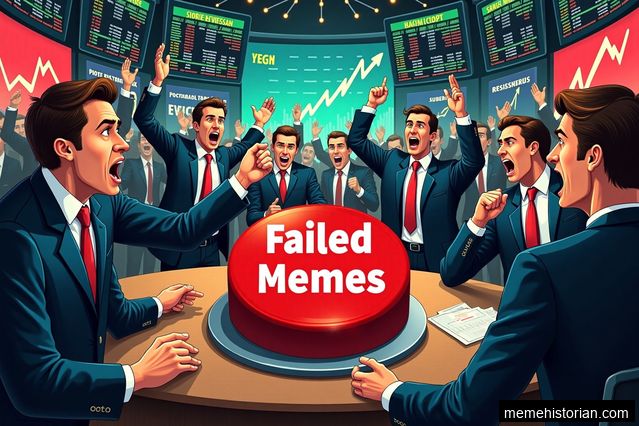
Memes have become an integral part of internet culture, with their ability to spread rapidly and capture the collective humor of the online community. However, not every meme can sustain its popularity for long. The Great Meme Recession serves as a reminder that even the most seemingly promising memes can fail to resonate with audiences.
Lack of Originality
One of the major reasons behind the failure of certain memes during the Great Meme Recession was the lack of originality. Memes that were simply rehashed versions of existing popular memes failed to capture the attention of the audience. Users were looking for fresh and innovative content, and memes that lacked originality quickly faded into obscurity.
Misjudging Audience Preferences
Understanding the preferences and sensibilities of the target audience is crucial for meme creators. During the Great Meme Recession, some memes failed because they misjudged the tastes and interests of the audience. Memes that relied on controversial or offensive content often faced backlash and were quickly abandoned. It is important to conduct thorough research and gauge the pulse of the online community before creating and sharing memes.
Timing is Everything
In the fast-paced world of memes, timing plays a crucial role in their success or failure. Memes that were introduced too late or too early failed to capture the zeitgeist and lost their relevance. The Great Meme Recession highlighted the importance of staying up-to-date with current trends and being quick to adapt. Meme creators must be aware of the ever-changing landscape of internet culture and seize the right moment to unleash their creations.
The Role of Memetic Subcultures
Memes often thrive within specific subcultures and communities. During the Great Meme Recession, some memes failed because they did not resonate with the targeted memetic subcultures. Understanding the nuances and references within these subcultures is crucial for creating memes that will be embraced and shared. Memes that failed to connect with their intended audience were quickly overshadowed by memes that did.
The Importance of Quality
While memes are often associated with quick humor and simplicity, quality still matters. Memes that lacked visual appeal or were poorly executed failed to gain traction during the Great Meme Recession. The online community appreciates memes that are well-crafted, visually engaging, and easy to understand. Meme creators should strive for quality in both content and presentation to increase the chances of success.
Lessons Learned
The Great Meme Recession taught us valuable lessons about the unpredictable nature of memes and the importance of staying relevant. Meme creators must embrace originality, understand their audience, and adapt to the ever-changing landscape of internet culture. By learning from the mistakes of failed memes, we can create a stronger meme ecosystem that continues to entertain and unite the online community.
Looking Ahead
As meme historians, it is our duty to document the rise and fall of memes, including those that failed. By analyzing and understanding the factors that contributed to their failure, we can better predict and shape the future of meme culture. The Great Meme Recession serves as a reminder that memes are not invincible and that constant innovation and adaptation are key to their longevity.